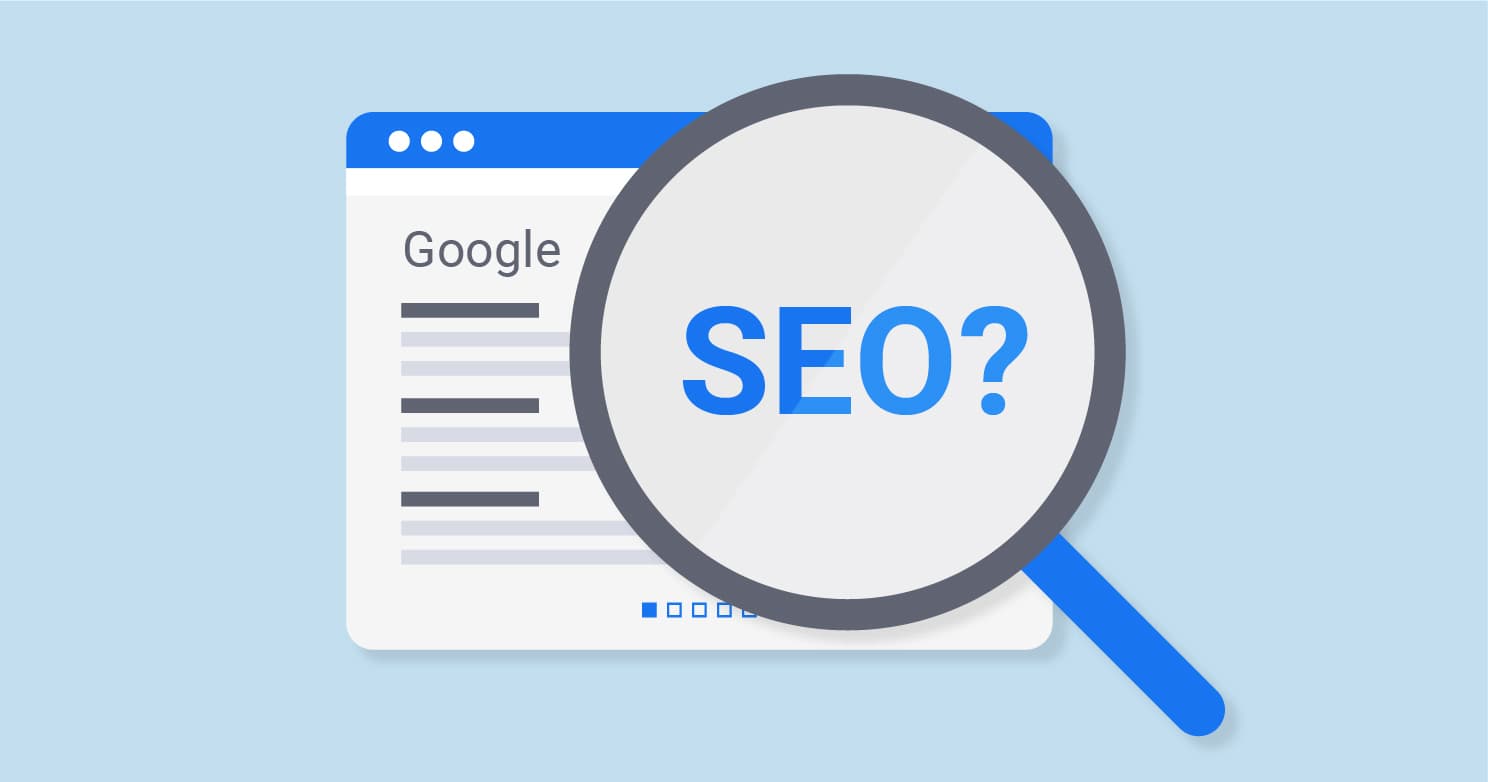
If you’ve ever typed something into Google and clicked one of the top results, you’ve already seen SEO in action. For businesses, though, SEO is more than just rankings—it’s about showing up exactly when potential customers are searching.
In 2026, the online space is more competitive than ever. Every niche is crowded, and thousands of websites are trying to grab the same attention. So the real challenge isn’t just being online—it’s being visible. That’s where SEO makes all the difference.
What is SEO?
SEO, or Search Engine Optimization, is the process of improving your website so it ranks higher on search engines like Google.
Put simply, SEO helps your website get discovered by the right audience without relying on paid ads. It brings in organic traffic, builds credibility, and positions your brand as a trusted source.
Instead of paying for visibility, you earn it.
Why SEO Matters More Than Ever
Let’s be honest—most people never scroll past the first page of search results. If your website isn’t there, your chances of getting noticed drop significantly.
Here’s why SEO is so important:
First, it drives long-term traffic. Unlike ads that stop the moment you stop spending, SEO keeps working in the background and continues bringing visitors over time.
Second, it builds trust. People naturally trust websites that appear at the top of search results.
Third, it’s cost-effective. While it takes time and effort, the long-term return on SEO is often much higher than paid marketing.
And finally, it improves user experience. A well-optimized site is faster, easier to navigate, and more user-friendly.
How SEO Actually Works
Search engines like Google use complex algorithms to decide which pages deserve to rank higher. These systems analyze multiple factors before showing results.
Some of the key elements include content quality, keyword relevance, website performance, mobile usability, and backlinks from other websites.
Your job is to align your website with these factors so search engines can clearly understand—and trust—your content.
The Different Types of SEO
SEO isn’t just one strategy. It’s a combination of different approaches working together.
On-page SEO focuses on everything inside your website. This includes how you use keywords, structure your headings, write meta descriptions, and link between pages.
Off-page SEO is about building authority from outside your website. This mainly involves backlinks, guest posting, and social sharing. When reputable websites link to you, it signals trust to search engines.
Technical SEO ensures your website performs properly behind the scenes. This includes loading speed, mobile responsiveness, secure connections, and clean site structure. Even great content won’t rank if the technical side is weak.
Keyword Research: Where It All Begins
Every SEO strategy starts with keywords—the words and phrases people search for.
For example, someone might search for “best digital marketing agency” or “SEO tips for beginners.” These search terms are your opportunities.
To find the right keywords, you can use tools like Google Keyword Planner. It’s also smart to focus on long-tail keywords, which are more specific and usually less competitive.
But the key isn’t just traffic—it’s relevance. You want to target keywords that match what your audience is actually looking for.
Content Still Matters (But Quality Wins)
You’ve probably heard that content is king. That’s still true—but only if your content is genuinely useful.
Today, search engines prioritize helpful, well-written, and experience-based content. Generic or copied content simply doesn’t perform anymore.
Instead of stuffing keywords or writing for algorithms, focus on real people. Answer their questions, solve their problems, and keep your writing natural.
That’s what gets results.
Why Backlinks Are So Powerful
Backlinks are one of the strongest signals in SEO. When another website links to your content, it’s like a vote of confidence.
However, not all links are equal. A single link from a trusted, relevant site can be more valuable than dozens of low-quality ones.
The goal should always be to earn links naturally by creating content worth referencing.
Mobile Optimization is Essential
Most users now browse the internet on their phones. If your website doesn’t perform well on mobile, you’re already at a disadvantage.
A mobile-friendly website should load quickly, display properly on all screen sizes, and be easy to navigate.
Google now uses mobile-first indexing, which means your mobile version plays a major role in your rankings.
Common SEO Mistakes to Avoid
Many websites struggle with SEO because of simple, avoidable mistakes.
Some of the most common ones include skipping keyword research, writing content only for search engines, ignoring old content, having slow page speed, and not using internal links properly.
Fixing these issues alone can make a noticeable difference.
How Long Does SEO Take?
SEO isn’t something that delivers instant results. It’s a long-term strategy that builds over time.
You might start seeing small improvements within a few months, but real growth usually takes six months to a year or more.
Consistency is what matters most. The more effort and patience you invest, the stronger your results will be.
Final Thoughts
SEO isn’t just another marketing tactic—it’s the backbone of online visibility.
If you want your business to grow sustainably, you need to focus on understanding your audience, creating meaningful content, optimizing your website, and staying consistent.
It may take time, but once your SEO starts gaining momentum, it becomes one of the most reliable and powerful growth channels you can have.

About Admin
Admin is a digital marketing expert with over 5 years of experience in the industry. They specialize in SEO, content marketing, and social media strategy, helping businesses grow their online presence and drive meaningful results.